
First of all supplements aren't gonna do a bit of good if you don't have a healthy diet. Ideally you want around 1.25 grams of protein per pound of body weight and atleast enough carbs to stay out of ketosis (if you're cutting). Don't forget to eat your fruits/veggies and drink LOTS OF WATER (and no soda, even juice has a lot of sugar). Here's a spreadsheet to get you started with meal prep. The idea is to keep a constant supply of food feeding your muscles throughout the day, taking in something every 3 hours or so but frequency is not as important as some may think as long as you hit your macros in the spreadsheet.

To make changes you have to save the spreadsheet to your computer.
|
1. Casein protein before bed, everyday. If you find yourself waking up to use the restroom, take it 1 - 1.5 hours before bed. Casein is the slowest digesting form of protein and will provide your muscles the nutrition they need to recover while you sleep. I couldn't find a clear answer about if or the amount of lactose it has. 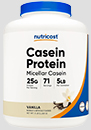
2. Whey before your workout. Whey is the fastest digesting form of protein. Take 45 to 60 minutes before your workout to make sure your muscles are primed for growth, I mix it with about 8oz of water. If you struggle to get enough calories you could use "Real Gains" by Universal but eating another meal would be better than maltodextrin. Some brands add lactase to whey to help lactose intolerant individuals, or you could look into a 100% whey isolate. One thing that bothers my stomach is Stevia, so you might try to avoid that ingredient in your supplements. 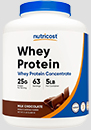
3. Creatine Monohydrate. 5g every day taken with carbs (I take mine with breakfast). If your pwo has creatine then skip it on those days. Your muscles use ATP (Adenine Tri-Phosphate) for energy. ATP = Energy + ADP (Adenine Di-Phosphate). Creatine works by giving a phosphate back to ADP to once again form ATP, thus giving you more energy. More energy = harder workouts which in turn leads to better results. It also helps prevent the buildup of lactic acid by minimizing glycolysis (what your body turns to when it runs out of energy) so you will not feel as sore. 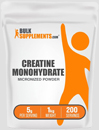
----------------------------------------------------------------------------------------------------- The supplements listed below are not essential and will not make near as much of a difference as the top 3 will. So if you're just starting out or on a budget I wouldn't bother. 4. L-Citrulline. Take two servings with your pre-workout protein shake. L-Citrulline is a Nitric Oxide booster that can increase blood flow to your muscles (can help you feel the "pump") and help the body process ammonia. For a slightly better result you can take Citrulline Malate; the malic acid helps ATP production during the Krebs cycle. The catch is that it has a very bitter/sour taste compared to pure L-Citrulline and will make your shake taste unpleasant.
$3.26/Month
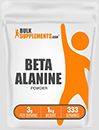
5. Beta Alanine. Take one serving daily; like creatine it builds up over time. This further helps to keep your muscles ph balance in tact by buffering H+ ion buildup that is responsible for raising muscle acidity. Once again by reducing soreness and fatigue it lets you work your muscles harder, though it tends to be favored more for endruance activities rather than weightlifting.
6. Caffeine. Energy. Pre-Workout supplements are basically flavored caffeine with other underdosed supplements mixed in. Take 1-2 pills (100-200mg) with your pre-workout protein shake. I don't take caffeine anymore, once you build up a tolerance you have to take caffeine to maintain what is probably the same amount of energy you would normally have if you weren't dependent on it.

----------------------------------------------------------------------------------------------------- These supplements are for overall health and to make sure your body has the nutrients it needs to perform its best: 6. A good, key word good, multivitamin. Orange triad has the best forms of vitamins and includes a joint complex and a digestive aid. (Take 1/2 or 1/3 of a serving a day). I take 1 tablet with each main meal. An alternative for a stand alone joint complex would be NOW Glucosamine and Chondroiton. A (pricey) vitamin alternative is Pure Encapsulations O.N.E. 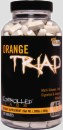
7. Fish oil, one capsule a day on days you don't eat fish. Acts as a nutrient partitioner and helps your overall health. This isn't something I've always taken regularly. 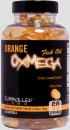
|